


Cloud Services in Rural Areas: Transforming Connectivity

Over 15 million American residents live in rural communities where access to reliable digital infrastructure often lags far behind urban standards. For these areas, the ability to connect through cloud services is not just a technical upgrade but a lifeline for education, healthcare, and economic opportunity. This guide explores how tailored cloud solutions are bridging critical gaps and reshaping the future for American rural families and businesses.
Table of Contents
- Defining Cloud Services For Rural Communities
- Types Of Cloud Solutions Impacting Rural Life
- Enabling Remote Work And Digital Access
- Empowering Rural Businesses And Agriculture
- Risks, Limitations, And Overcoming Challenges
Key Takeaways
| Point | Details |
|---|---|
| Cloud Services Empower Rural Communities | Tailored cloud solutions can bridge connectivity gaps, providing essential tools for economic and educational advancement in rural areas. |
| Digital Infrastructure is Crucial | Comprehensive strategies that focus on adaptive technologies and robust digital infrastructure are necessary for overcoming existing challenges. |
| Remote Work Opportunities Exist | Cloud technologies facilitate remote work, enabling individuals in rural areas to participate in the global economy and access professional development resources. |
| Risks and Challenges Must Be Addressed | Addressing infrastructural limitations and fostering digital literacy is key to effective cloud service implementation in rural settings. |
Defining Cloud Services for Rural Communities
Cloud services represent a transformative technological solution designed to bridge connectivity gaps in rural areas, offering unprecedented digital opportunities for communities traditionally underserved by traditional infrastructure. Unlike urban centers with robust internet networks, rural regions face unique challenges that require specialized cloud approaches tailored to their specific needs and limitations.
The concept of cloud services in rural contexts goes beyond simple internet connectivity. Equitable cloud access represents a critical strategy for empowering remote communities by providing secure, reliable digital platforms that enable economic, educational, and social advancement. These services encompass a range of technological solutions including:
- Remote Data Storage: Allowing rural businesses and individuals to securely store and access information without local hardware limitations
- Collaborative Platforms: Enabling communication and teamwork across geographical barriers
- Economic Tools: Providing small businesses with enterprise-grade software and computational resources
- Educational Resources: Delivering online learning opportunities and digital skill development programs
Bridging the rural digital divide requires a multifaceted approach that combines technological innovation with strategic infrastructure development. Rural cloud services must address critical challenges such as limited bandwidth, intermittent connectivity, and affordability barriers. By designing flexible, resilient cloud solutions that can operate effectively in low-bandwidth environments, technology providers can unlock unprecedented potential for rural economic and social development.
Successful implementation of cloud services in rural areas demands a holistic strategy that considers local context, technological constraints, and community-specific needs. This means developing adaptive technologies that can function with varying internet speeds, creating cost-effective pricing models, and designing user-friendly interfaces accessible to individuals with minimal technical experience. The ultimate goal is not just providing technology, but creating meaningful digital empowerment that transforms rural communities’ ability to participate in the global digital economy.
Types of Cloud Solutions Impacting Rural Life
Cloud solutions are revolutionizing rural economies by introducing sophisticated technological infrastructures that transform traditional practices across multiple sectors. These innovative platforms enable remote communities to overcome geographical limitations and access advanced digital capabilities previously available only in metropolitan areas.
Cloud–edge–device collaborative computing architectures represent a groundbreaking approach to rural technological integration, particularly in sectors like agriculture and resource management. These architectures provide rural communities with powerful computational tools that enable real-time monitoring, data analysis, and precision decision-making across various domains:
- Agricultural Monitoring: Implementing sensor networks for crop health tracking
- Resource Management: Advanced water usage and climate tracking systems
- Livestock Tracking: Real-time animal health and movement monitoring
- Predictive Analytics: Forecasting agricultural yields and environmental conditions
Cloud farming technologies further demonstrate the transformative potential of cloud solutions by connecting rural producers directly with urban consumers through sophisticated digital platforms. These innovative systems create transparent, traceable supply chains that empower small-scale farmers and agricultural entrepreneurs to expand their market reach and optimize their production processes.

The diverse cloud solutions impacting rural life extend beyond agriculture, encompassing critical services like telemedicine, remote education, financial services, and small business management. By providing scalable, flexible technological infrastructure, these cloud platforms democratize access to advanced digital tools, enabling rural communities to compete effectively in the global digital economy and overcome traditional infrastructure limitations.
Enabling Remote Work and Digital Access
Remote work and digital access have become transformative opportunities for rural communities, breaking down traditional geographical barriers that historically limited professional and economic potential. Cloud technologies are now creating unprecedented pathways for individuals in remote areas to participate fully in the global digital economy, regardless of their physical location.
Bridging the rural digital divide requires innovative technological solutions that address connectivity challenges and provide comprehensive digital infrastructure. These solutions enable rural professionals to access sophisticated work platforms, collaborate with global teams, and develop skills that were previously out of reach:
- Virtual Collaboration Tools: Enabling real-time communication across distances
- Cloud-Based Project Management: Tracking and coordinating work seamlessly
- Online Learning Platforms: Providing continuous skill development opportunities
- Telehealth and Remote Consulting: Expanding professional service delivery
Unleashing digital service potential in rural communities means more than just providing internet access. It involves creating comprehensive ecosystems that support professional growth, educational advancement, and economic empowerment through integrated digital platforms.
The future of rural work is fundamentally digital, with cloud technologies serving as the critical infrastructure that connects remote professionals to global opportunities. By providing scalable, flexible, and accessible digital tools, these solutions are democratizing professional development and economic participation, allowing rural communities to transcend traditional limitations and compete effectively in the modern, interconnected workplace.
Empowering Rural Businesses and Agriculture
Cloud technologies are revolutionizing rural economic landscapes, providing unprecedented opportunities for small businesses and agricultural enterprises to compete and thrive in an increasingly digital global marketplace. These innovative solutions break down traditional barriers of isolation, enabling rural entrepreneurs to access sophisticated technological tools that were previously available only to large corporations.
Cloud–edge–device collaborative computing architectures are transforming agricultural practices by introducing advanced technological capabilities that enhance precision farming and resource management. These sophisticated systems provide farmers with powerful tools for:
- Real-Time Crop Monitoring: Tracking plant health and environmental conditions
- Precision Resource Allocation: Optimizing water, fertilizer, and energy usage
- Predictive Yield Forecasting: Utilizing data analytics for strategic planning
- Equipment Performance Tracking: Monitoring machinery efficiency and maintenance needs
Cloud farming technologies are creating innovative pathways for rural producers to connect directly with urban consumers, establishing transparent and traceable supply chains that maximize economic opportunities. These platforms enable small-scale farmers to overcome traditional marketing limitations, providing direct access to broader markets and creating new revenue streams.
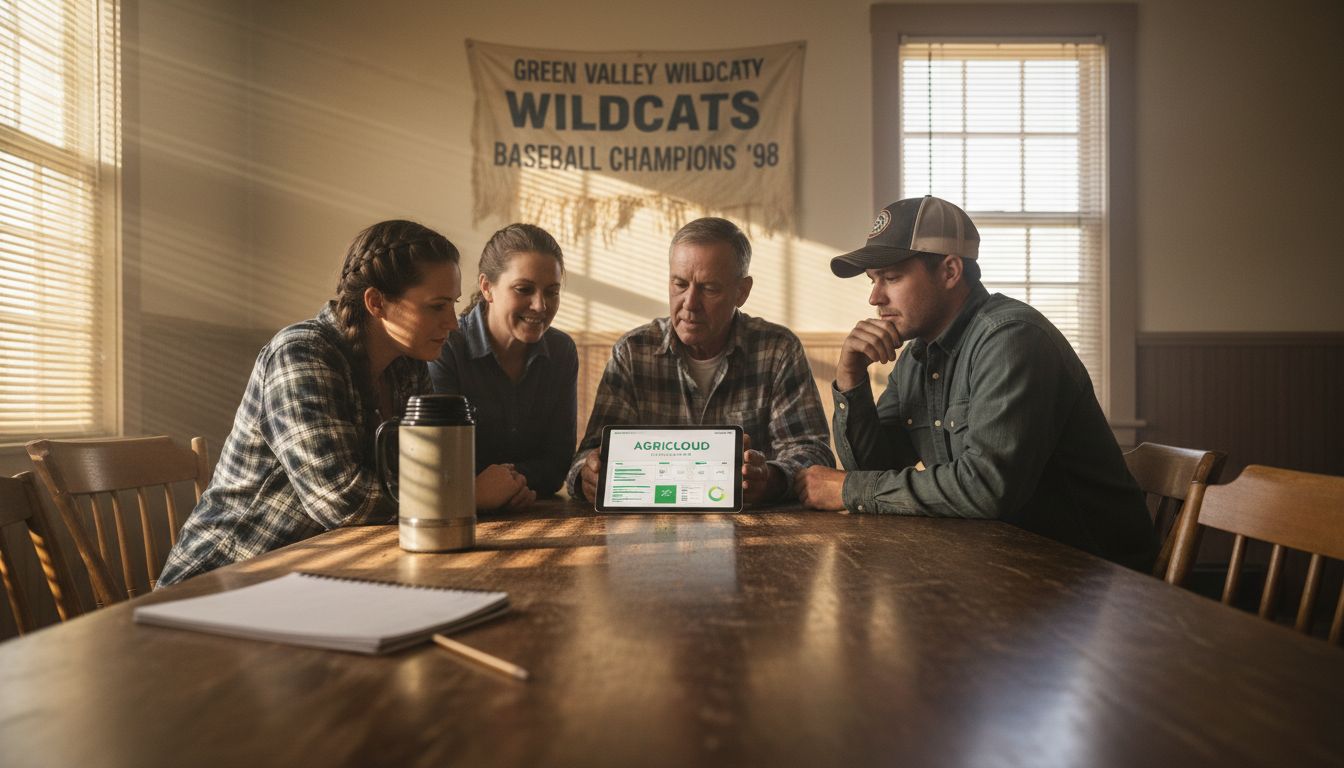
The integration of cloud technologies represents a fundamental shift in rural business capabilities, democratizing access to advanced computational resources and global market connections. By providing scalable, flexible digital infrastructure, these solutions are empowering rural businesses and agricultural enterprises to transform their operational strategies, increase productivity, and compete effectively in the modern economic landscape.
Risks, Limitations, and Overcoming Challenges
Cloud services in rural areas present complex technological challenges that require strategic approaches to ensure effective implementation and sustainable digital transformation. While these technologies offer tremendous potential, rural communities must navigate significant infrastructural, economic, and technical barriers that can impede comprehensive digital adoption.
Key challenges in ICT deployments reveal critical obstacles that rural regions encounter when integrating advanced digital technologies. These challenges encompass multiple critical dimensions:
- Infrastructure Limitations: Inadequate physical network infrastructure
- Connectivity Inconsistencies: Unreliable internet access and bandwidth variations
- Economic Constraints: Limited financial resources for technological investments
- Technical Skill Gaps: Insufficient digital literacy and technical training
- Environmental Factors: Geographic terrain and climate-related technological disruptions
Bridging the rural digital divide requires comprehensive strategies that address these multifaceted challenges through collaborative policy-making, targeted technological interventions, and sustained investment in digital infrastructure. Successful approaches must combine technological innovation with community-centered implementation, ensuring that digital solutions are not just technically feasible but also culturally and economically appropriate.
Overcoming these challenges demands a holistic approach that recognizes the unique context of rural communities. This involves developing adaptive technologies, providing comprehensive digital training programs, creating flexible funding mechanisms, and designing resilient technological solutions that can function effectively in challenging environmental and economic conditions. By addressing these limitations proactively, rural areas can transform potential obstacles into opportunities for meaningful digital empowerment and economic growth.
Unlock Reliable Connectivity for Rural Communities with SabertoothPro
Rural areas face unique challenges like limited bandwidth and inconsistent internet access that hinder the full benefits of cloud services and digital transformation. To overcome these barriers and bring powerful cloud solutions to life, you need connectivity solutions built specifically for these conditions. SabertoothPro offers a comprehensive range of products including reliable 4G LTE and 5G hotspots, routers, and advanced Wi-Fi options like our Titan WiFi collection and WiFi extenders designed to extend reach and deliver stable internet in difficult environments.

Start transforming your rural connectivity now with technology tailored to your needs. Visit SabertoothPro.com today to explore our cutting-edge solutions and expert IT consulting services. Don’t let limited infrastructure hold your community back. Act now and empower your rural business, education, and remote work opportunities with proven internet and cloud technologies designed to work for you.
Frequently Asked Questions
What are cloud services for rural communities?
Cloud services for rural communities are technological solutions that provide secure and reliable digital platforms, such as data storage, collaboration tools, and educational resources, tailored to address the unique challenges faced by rural areas.
How do cloud solutions support remote work in rural areas?
Cloud solutions enable remote work by providing virtual collaboration tools, online learning platforms, and cloud-based project management that allow individuals in rural areas to access global opportunities and develop necessary skills.