


Role of Broadband in Remote Work Success

Over half of American professionals now rely on high-speed broadband to power their remote workday. With digital collaboration and cloud access shaping how we connect, dependable internet is no longer just a convenience. The quality of your broadband can make or break productivity, especially when video conferencing and large file transfers are part of daily routines. This overview sheds light on how broadband enables American workers to thrive outside the traditional office, offering clear insights for anyone striving for seamless remote performance.
Table of Contents
- Broadband Connectivity In Remote Work Explained
- Types Of Broadband Solutions For Remote Workers
- How Broadband Impacts Productivity And Collaboration
- Technical Requirements For Reliable Home Connectivity
- Security And Privacy Considerations In Remote Work
Key Takeaways
| Point | Details |
|---|---|
| Broadband Connectivity is Essential for Remote Work | High-speed internet is crucial for seamless collaboration, enabling real-time communication and resource access for remote professionals. |
| Technical Requirements for Success | A robust broadband setup involves minimum bandwidth of 25 Mbps download and 3 Mbps upload for effective remote work tasks. |
| Choosing the Right Broadband Technology | Various broadband options, including Fiber-Optic, Cable, and Satellite, should be evaluated based on location, speed needs, and budget. |
| Cybersecurity is Critical | Implementing strong security measures, such as VPNs and data encryption, is essential to protect sensitive information in remote work environments. |
Broadband Connectivity in Remote Work Explained
Remote work has transformed dramatically with broadband connectivity, becoming the critical infrastructure enabling professionals to collaborate effectively from anywhere. Modern remote workers depend on high-speed internet that provides reliable, consistent access to digital workspaces and communication platforms. Broadband access enables seamless integration of online education, business operations, and professional collaboration.
The technical requirements for successful remote work extend far beyond simple internet connection. Professionals need robust broadband that supports multiple simultaneous activities like video conferencing, large file transfers, cloud computing, and real-time collaboration tools. Network reliability becomes paramount, with bandwidth determining the quality of professional interactions and productivity. High-performance broadband ensures:
- Stable video conference connections
- Quick document and data transfers
- Smooth access to cloud-based work platforms
- Minimal latency for interactive work environments
Additional critical factors include upload and download speeds, which directly impact professional effectiveness. Most remote work scenarios require minimum speeds of 25 Mbps download and 3 Mbps upload, though creative professionals and technical workers might need substantially higher bandwidth. Internet infrastructure plays a crucial role in determining these capabilities, with fiber and advanced wireless technologies offering the most consistent performance for remote professionals seeking uninterrupted workflow and seamless digital collaboration.
Types of Broadband Solutions for Remote Workers
Remote workers today have multiple broadband technology options to support their professional connectivity needs. Broadband solutions range from traditional wired connections to advanced wireless technologies, each offering unique advantages for different work environments and geographic locations. Understanding these options helps professionals select the most appropriate internet infrastructure for their specific remote work requirements.
The primary broadband solutions for remote workers include:
- Fiber-Optic Internet: Provides the fastest and most reliable connection
- Cable Internet: Widely available with good speeds and stability
- DSL (Digital Subscriber Line): Economical option using existing telephone lines
- Satellite Internet: Ideal for rural or remote locations
- Fixed Wireless: Utilizes radio signals for connectivity in areas without traditional infrastructure
Network performance variations make some solutions more suitable for specific professional needs. Fiber and cable connections typically offer the most consistent performance for demanding remote work tasks like video conferencing, large file transfers, and real-time collaborative platforms. Mobile hotspots provide flexibility for workers who need to change locations frequently, though they often have more limited bandwidth compared to fixed connections.

Choosing the right broadband solution depends on several critical factors: geographic location, required internet speeds, budget constraints, and the specific technical demands of your professional role. Professionals in creative fields, software development, or data-intensive industries might prioritize fiber or high-speed cable connections, while freelancers or travelers might find mobile and satellite options more adaptable to their dynamic work environments. Understanding these nuanced differences helps remote workers make informed decisions about their internet infrastructure, ultimately supporting more productive and seamless professional experiences.
How Broadband Impacts Productivity and Collaboration
Broadband connectivity has become a transformative force in modern professional environments, fundamentally reshaping how teams collaborate and individuals maximize their productivity. Digital prosperity through broadband enables unprecedented access to job opportunities, educational resources, and professional development platforms that were previously out of reach for many workers.
The impact of broadband on workplace productivity is multifaceted and profound:
- Enables real-time communication across global teams
- Supports complex cloud-based collaboration platforms
- Facilitates rapid information sharing and research
- Allows seamless video conferencing and virtual meetings
- Provides instant access to professional training and upskilling resources
Remote work capabilities are critically dependent on robust broadband infrastructure, with connectivity limitations directly affecting team performance and individual output. Rural areas and regions with inadequate internet infrastructure face significant challenges, experiencing reduced economic opportunities and professional mobility. Professionals in these areas often struggle with limited bandwidth, leading to interrupted video calls, slow file transfers, and decreased collaboration efficiency.
The economic implications of broadband extend far beyond individual productivity. By democratizing access to digital resources, high-speed internet creates pathways for professional growth, enables more flexible work arrangements, and supports economic resilience. Workers can now compete for opportunities irrespective of geographic limitations, participate in global job markets, and continuously upgrade their skills through online learning platforms. This digital connectivity transforms traditional workplace dynamics, empowering individuals and organizations to achieve unprecedented levels of efficiency and innovation.
Technical Requirements for Reliable Home Connectivity
Home network infrastructure is the backbone of successful remote work, requiring careful planning and strategic technological investment. Remote work connectivity standards demand more than just a basic internet connection, necessitating a comprehensive approach to ensuring reliable and high-performance digital communication.
The fundamental technical requirements for a robust home connectivity setup include:
- Minimum Bandwidth: 15 Mbps download and 5 Mbps upload speeds
- Low Latency: Less than 50 milliseconds response time
- Stable Wi-Fi Signal: Strong coverage across entire workspace
- Dedicated Work Network: Separate from personal device traffic
- Backup Connectivity: Mobile hotspot or secondary internet source
Internet performance optimization requires professionals to carefully evaluate their home network configuration. Video conferencing, cloud collaboration, and large file transfers demand specific technical capabilities that go beyond basic connectivity. Professionals should consider investing in enterprise-grade routers, implementing quality of service (QoS) settings, and potentially using wired ethernet connections for critical work activities.
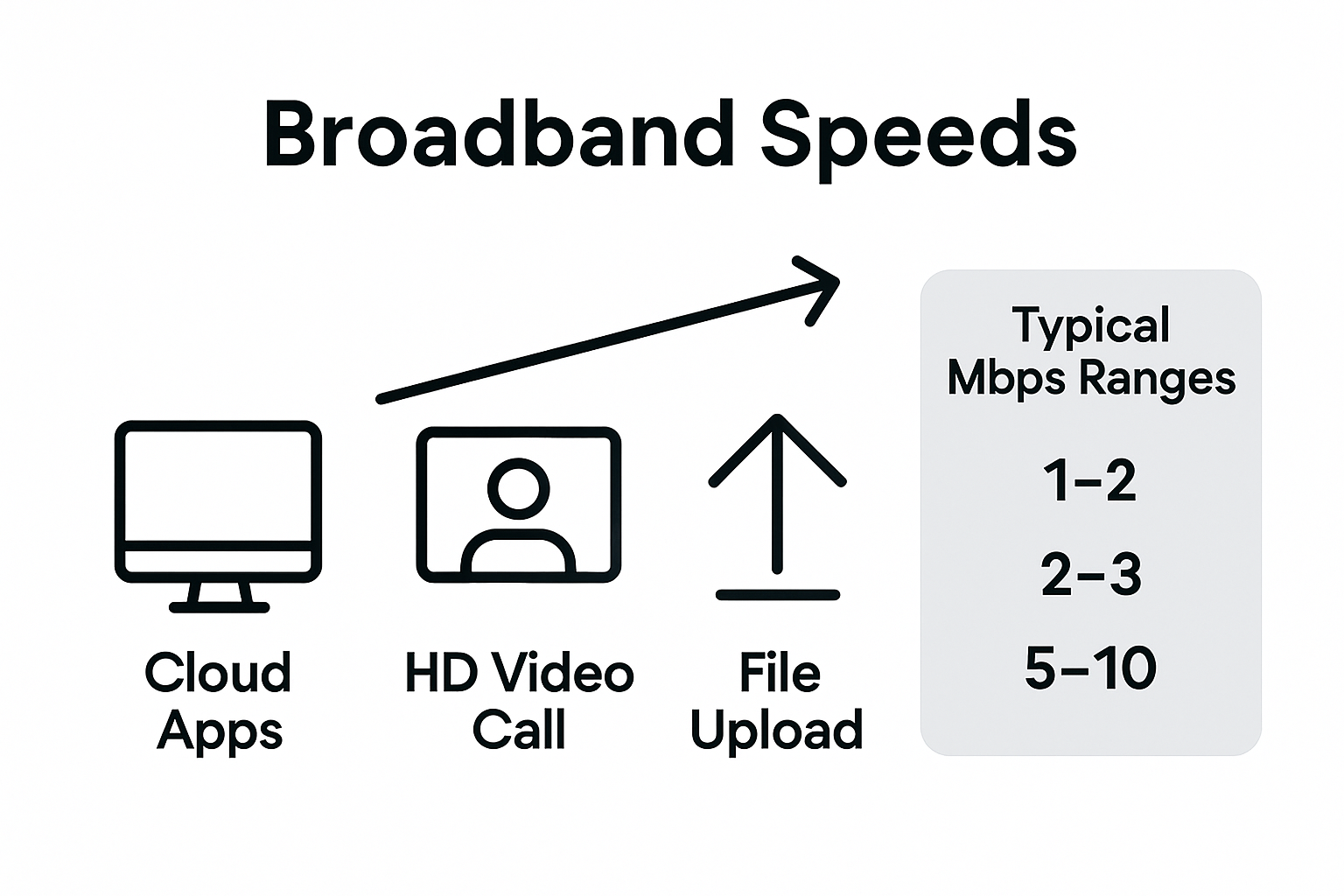
Beyond technical specifications, home connectivity for remote work involves strategic network management. This includes regular speed testing, understanding peak usage times, managing device connections, and potentially upgrading internet plans to meet professional demands. Proactive network maintenance, including firmware updates, security patches, and periodic equipment evaluation, ensures that home offices remain technologically competitive and capable of supporting increasingly sophisticated digital work environments.
Security and Privacy Considerations in Remote Work
Cybersecurity has become a critical component of remote work, transforming how professionals protect sensitive information in increasingly digital workspaces. Secure network strategies are no longer optional but essential for maintaining organizational and personal digital safety.
Key security considerations for remote workers include:
- Data Encryption: Protect sensitive information transmission
- Secure Authentication: Multi-factor verification processes
- Network Isolation: Separate personal and professional digital environments
- Regular Security Updates: Maintain latest software protections
- Comprehensive Firewall Configuration: Block potential unauthorized access
Remote network access protocols require professionals to implement robust Virtual Private Network (VPN) solutions that encrypt internet traffic and create secure communication channels. These technological safeguards prevent unauthorized data interception, ensuring that confidential work documents remain protected across diverse internet connections. VPN technologies create encrypted tunnels that mask IP addresses, add anonymity layers, and significantly reduce cybersecurity vulnerabilities.
Beyond technological solutions, remote work security demands a holistic approach involving employee education, strict digital hygiene practices, and proactive risk management. Professionals must understand potential digital threats, recognize phishing attempts, use strong and unique passwords, and maintain updated antivirus software. Organizations increasingly recognize that individual worker behavior represents the first line of defense against potential cybersecurity breaches, making continuous training and awareness critical components of a comprehensive remote work security strategy.
Unlock Reliable Broadband for Remote Work Success
Struggling with slow internet or unreliable connections can seriously disrupt your remote work productivity. As the article highlights, stable broadband with sufficient bandwidth and low latency is essential for seamless video calls, quick file sharing, and uninterrupted cloud collaboration. SabertoothPro.com specializes in delivering advanced wireless internet solutions tailored for remote professionals who demand security, speed, and reliability.
Explore our Titan WiFi Hotspot Plans designed to keep you connected wherever your work takes you. Enhance your home office with powerful WiFi Extenders that eliminate dead zones and ensure smooth coverage throughout your workspace.

Don’t let poor connectivity hold back your potential. Visit SabertoothPro.com now to find dependable broadband devices and plans that support your remote work needs with unmatched performance and security. Experience the freedom to work without interruptions and take your productivity to the next level today.
Frequently Asked Questions
How does broadband connectivity affect remote work productivity?
Broadband connectivity significantly impacts remote work productivity by enabling real-time communication, facilitating complex cloud collaboration, and providing instant access to professional resources, which helps maximize individual and team efficiency.
What are the minimum broadband speed requirements for successful remote work?
Most remote work scenarios typically require a minimum of 25 Mbps download and 3 Mbps upload speeds. However, professionals in bandwidth-intensive roles may need higher speeds to ensure optimal performance.
What types of broadband solutions are suitable for remote workers?
Remote workers can choose from several broadband solutions including fiber-optic internet, cable internet, DSL, satellite internet, and fixed wireless connections. Each option offers unique advantages depending on location and professional needs.
What security measures should remote workers implement for their internet connections?
Remote workers should implement robust cybersecurity measures such as data encryption, secure authentication through multi-factor authentication, regular security updates, and the use of a Virtual Private Network (VPN) to protect sensitive information and networks.