


What Is Mobile Internet? Complete Guide for 2024

More than 85 percent of American adults now use mobile internet every day, changing the way information is accessed and shared. As daily life moves online, staying connected wherever you are is no longer just convenient—it is essential. Understanding the basics of mobile internet helps you navigate all the ways digital services power communication, business, education, and entertainment from any location with a signal.
Table of Contents
- Core Definition And Fundamentals Of Mobile Internet
- Types Of Mobile Internet Connections Explained
- How Mobile Internet Works In Practice
- Key Features And Real-World Use Cases
- Costs, Limitations, And Common Pitfalls
- Alternatives To Mobile Internet Solutions
Key Takeaways
| Point | Details |
|---|---|
| Mobile Internet Definition | Mobile internet enables wireless access to online content via cellular networks, allowing connectivity from mobile devices without fixed connections. |
| Types of Mobile Connections | Mobile internet has evolved from 3G to 5G, providing faster speeds and better connectivity for various applications, fundamentally changing communication methods. |
| Real-World Impact | The technology supports diverse use cases like mobile learning, telemedicine, and remote work, reshaping how individuals and organizations interact with digital resources. |
| Cost Considerations | Users must be aware of data limits and potential overage charges associated with mobile data plans to manage costs effectively. |
Core Definition and Fundamentals of Mobile Internet
Mobile internet represents a wireless communication technology enabling digital connectivity through cellular networks, allowing users to access online content and services from mobile devices without fixed physical connections. Unlike traditional broadband, mobile internet technologies deliver internet access through cellular infrastructure like 3G, 4G, and 5G networks.
At its core, mobile internet functions by transmitting digital data packets wirelessly between mobile devices and network base stations. These wireless networks leverage radio frequency signals to carry information, enabling users to browse websites, stream media, send messages, and use mobile applications from virtually anywhere with network coverage. The technology relies on sophisticated cellular infrastructure that continuously routes data through a complex network of towers and satellites.
The fundamental components of mobile internet include:
- Mobile Device: Smartphones, tablets, laptops with cellular connectivity
- Cellular Network: Infrastructure of towers and base stations
- Data Plans: Subscription services providing internet access
- Network Protocols: Technologies like TCP/IP governing data transmission
Modern mobile internet technologies have dramatically transformed how individuals and businesses communicate, work, and access information. With increasing network speeds and broader coverage, mobile internet has become an essential utility in our increasingly connected world, providing instant access to global digital resources from virtually anywhere.
Types of Mobile Internet Connections Explained
Mobile internet connections have evolved through multiple generations, with each iteration delivering increasingly sophisticated wireless data transmission capabilities. Mobile broadband technologies range from early 3G networks to cutting-edge 5G systems, offering progressively faster speeds and more reliable connectivity for users across various devices and applications.
The primary types of mobile internet connections include:
-
3G Networks: The third generation of cellular networks, providing basic mobile internet access with speeds around 2.0 Mbps. These networks enable fundamental mobile internet functions like web browsing, email, and basic application usage.
-
4G Networks: Fourth-generation networks dramatically improved mobile internet performance, delivering peak speeds up to 100 Mbps. These networks support high-bandwidth activities such as video streaming, online gaming, and high-definition video calls.
-
5G Networks: The latest generation offering unprecedented speed and minimal latency, enabling advanced technologies like autonomous vehicles, smart city infrastructure, and real-time remote medical procedures.
Each mobile internet connection type represents a significant technological leap, with mobile hotspot technologies continuing to expand the boundaries of wireless connectivity. Modern mobile networks are designed to provide seamless, high-speed internet access across diverse environments, from urban centers to rural regions, transforming how individuals and businesses interact with digital resources.
How Mobile Internet Works in Practice
Mobile internet operates through a sophisticated network of cellular towers and wireless communication protocols that enable seamless data transmission across diverse geographical locations. Mobile internet benefits extend far beyond simple connectivity, transforming how devices communicate and access digital resources in real-time.
The practical mechanics of mobile internet involve several critical components:
- Signal Transmission: Cellular towers broadcast radio frequency signals that mobile devices receive and translate into digital data
- Network Protocols: Complex communication rules govern how data packets are routed and processed
- IP Address Management: Mobile IP technologies allow devices to maintain consistent network connections while moving between different cellular networks
Advanced mobile internet functionality includes tethering, a process where users can share their mobile device’s cellular data connection with other devices. Tethering enables users to connect laptops, tablets, and other wireless devices to the internet through their smartphone’s cellular data, effectively turning the mobile device into a portable modem.
The practical implementation of mobile internet requires a complex ecosystem of hardware and software working in concert. Cellular networks continuously manage signal strength, data routing, and connection handoffs, ensuring users experience uninterrupted internet access across various environments and network conditions. This intricate system represents a remarkable technological achievement that has fundamentally reshaped global communication and digital interaction.

Key Features and Real-World Use Cases
Mobile internet has revolutionized how individuals and organizations leverage digital connectivity across diverse environments, enabling unprecedented access to information and communication technologies. Hotspot connectivity solutions have transformed traditional limitations of location-based internet access, creating dynamic opportunities for remote work, education, and global communication.
The key features of mobile internet include:
- Ubiquitous Connectivity: Access internet from virtually anywhere with cellular coverage
- High-Speed Data Transmission: Rapid information exchange across multiple devices
- Flexible Network Switching: Seamless transitions between different cellular networks
- Enhanced Security Protocols: Advanced encryption and protection mechanisms
Mobile learning represents one of the most compelling real-world applications of mobile internet technology. M-learning platforms enable students and professionals to access educational content anywhere, anytime, breaking traditional geographical and temporal barriers in knowledge acquisition. These systems support interactive learning experiences through smartphones, tablets, and other portable devices.
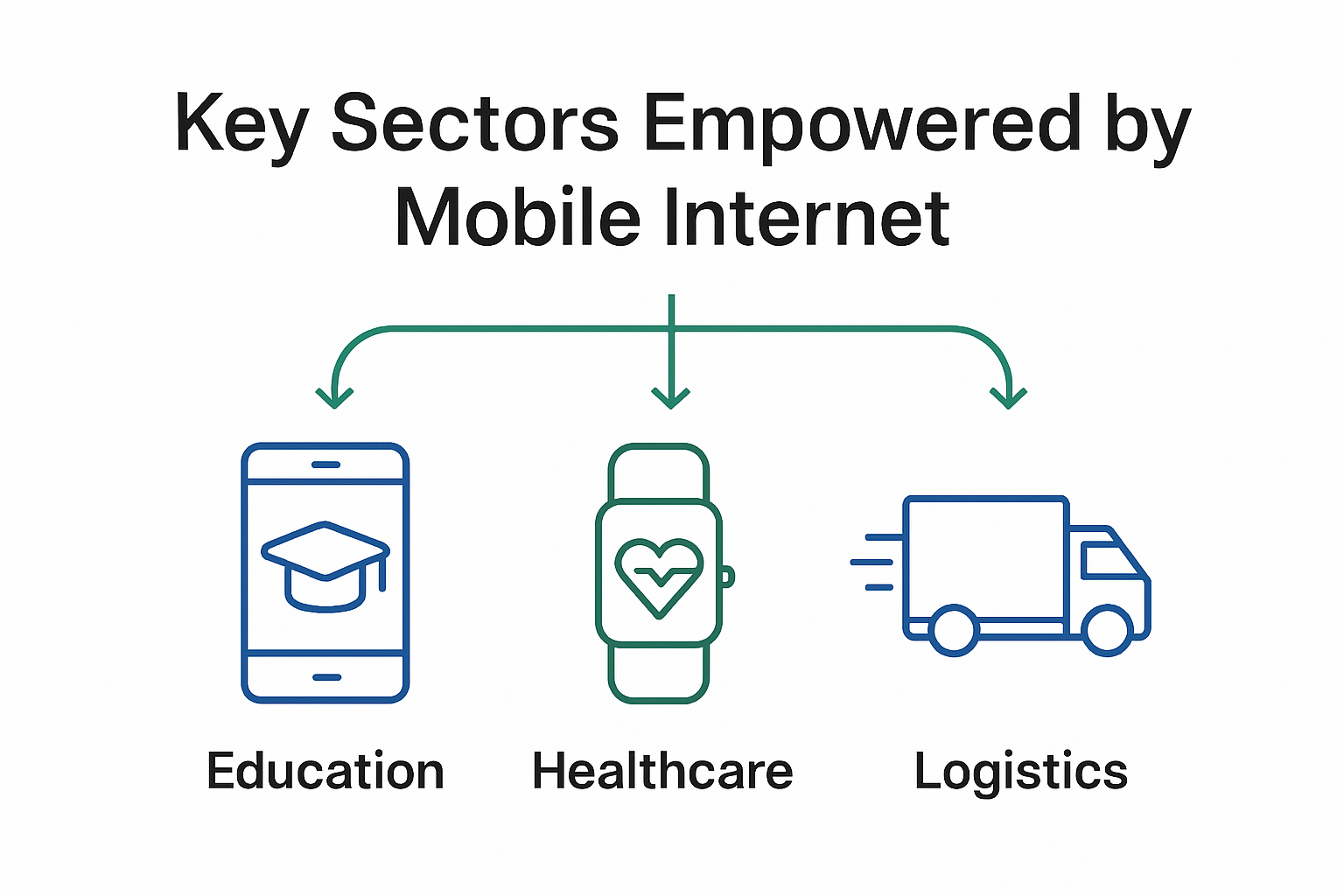
Beyond education, mobile internet drives innovation across multiple sectors. Healthcare professionals use mobile networks for telemedicine, emergency responders rely on instant communication systems, remote workers maintain productivity through cloud-based applications, and businesses leverage real-time data synchronization. The technology has fundamentally reshaped how we work, learn, communicate, and interact with digital resources in an increasingly connected global landscape.
Costs, Limitations, and Common Pitfalls
Mobile internet, while transformative, presents complex financial and technological challenges for users across different contexts. Mobile data plans require careful navigation to manage potential expenses and performance limitations effectively.
Key cost considerations and potential pitfalls include:
- Data Usage Limits: Most plans impose monthly data transfer restrictions
- Overage Charges: Exceeding allocated data can trigger significant additional fees
- Network Coverage Variability: Performance depends on geographical location
- Signal Interference: Physical obstacles can disrupt cellular connectivity
Mobile internet expenses fluctuate significantly based on usage patterns. Data consumption tracking becomes critical, especially with high-bandwidth applications like video streaming and video conferencing that rapidly consume allocated data. Users must strategically manage their internet consumption to avoid unexpected billing surprises.
The technological landscape of mobile internet involves nuanced trade-offs between convenience, cost, and performance. Rural and remote users often face more pronounced challenges, including limited network infrastructure, slower connection speeds, and higher per-gigabyte pricing. Understanding these limitations empowers consumers to make informed decisions about mobile internet adoption, selecting plans and technologies that align with their specific communication and connectivity requirements.
Alternatives to Mobile Internet Solutions
Users seeking internet connectivity have multiple options beyond traditional mobile internet, each with unique advantages and limitations. Wireless internet alternatives provide flexible solutions tailored to different connectivity needs and geographical constraints.
Key alternatives to mobile internet include:
- Wi-Fi Networks: Public and private wireless connections
- Satellite Internet: Global coverage for remote locations
- Fixed Wireless: Local area network solutions
- DSL and Cable Broadband: Traditional wired internet connections
Mobile web technologies offer innovative tethering solutions that enable devices to share internet connections through multiple mechanisms. Users can convert smartphones into portable modems, connecting laptops and tablets wirelessly or through physical USB connections, effectively expanding internet access beyond traditional cellular networks.
Each alternative internet solution presents unique trade-offs between availability, speed, cost, and reliability. Rural users might prefer satellite internet, while urban residents can leverage extensive Wi-Fi networks. Understanding these options empowers consumers to select connectivity solutions that best match their specific requirements, budget constraints, and geographical limitations.
Unlock Seamless Mobile Internet with SabertoothPro Solutions
Struggling with inconsistent mobile connectivity or high data overage charges A deep understanding of mobile internet technologies like 4G LTE and 5G is essential for reliable access anywhere SabertoothPro.com offers an extensive selection of Titan WiFi hotspot plans tailored to keep you connected with high-speed data and flexible usage options. Whether you need fast internet on the go or secure connections for remote work, our advanced hotspots and routers deliver the performance and security your lifestyle demands.

Take control of your mobile internet experience today Explore our innovative Titan WiFi devices and discover special offers at our Special Promotion page Visit https://sabertoothpro.com now to secure dependable connectivity that adapts to your needs without surprises or interruptions
Frequently Asked Questions
What is mobile internet?
Mobile internet refers to wireless communication technology that provides digital connectivity through cellular networks, allowing users to access online content and services via mobile devices without the need for fixed connections.
What are the different types of mobile internet connections?
The primary types of mobile internet connections include 3G, 4G, and 5G networks. 3G provides basic access at speeds around 2.0 Mbps, 4G greatly improves performance with speeds up to 100 Mbps, and 5G offers unprecedented speed and low latency for advanced applications.
How does mobile internet work in practice?
Mobile internet operates through a network of cellular towers that transmit radio frequency signals, allowing mobile devices to send and receive digital data. Users can access the internet from nearly anywhere within cellular coverage, benefiting from rapid data transmission and network switching capabilities.
What are the common limitations of mobile internet?
Common limitations include data usage limits from plans, potential overage charges, variability in network coverage based on location, and signal interference caused by physical obstacles, which can affect connectivity and performance.